
Toronto, Ontario, Canada
-
2031
Completion date
-
6+KM
Project size
-
$6Billion
Contract value
Project Overview
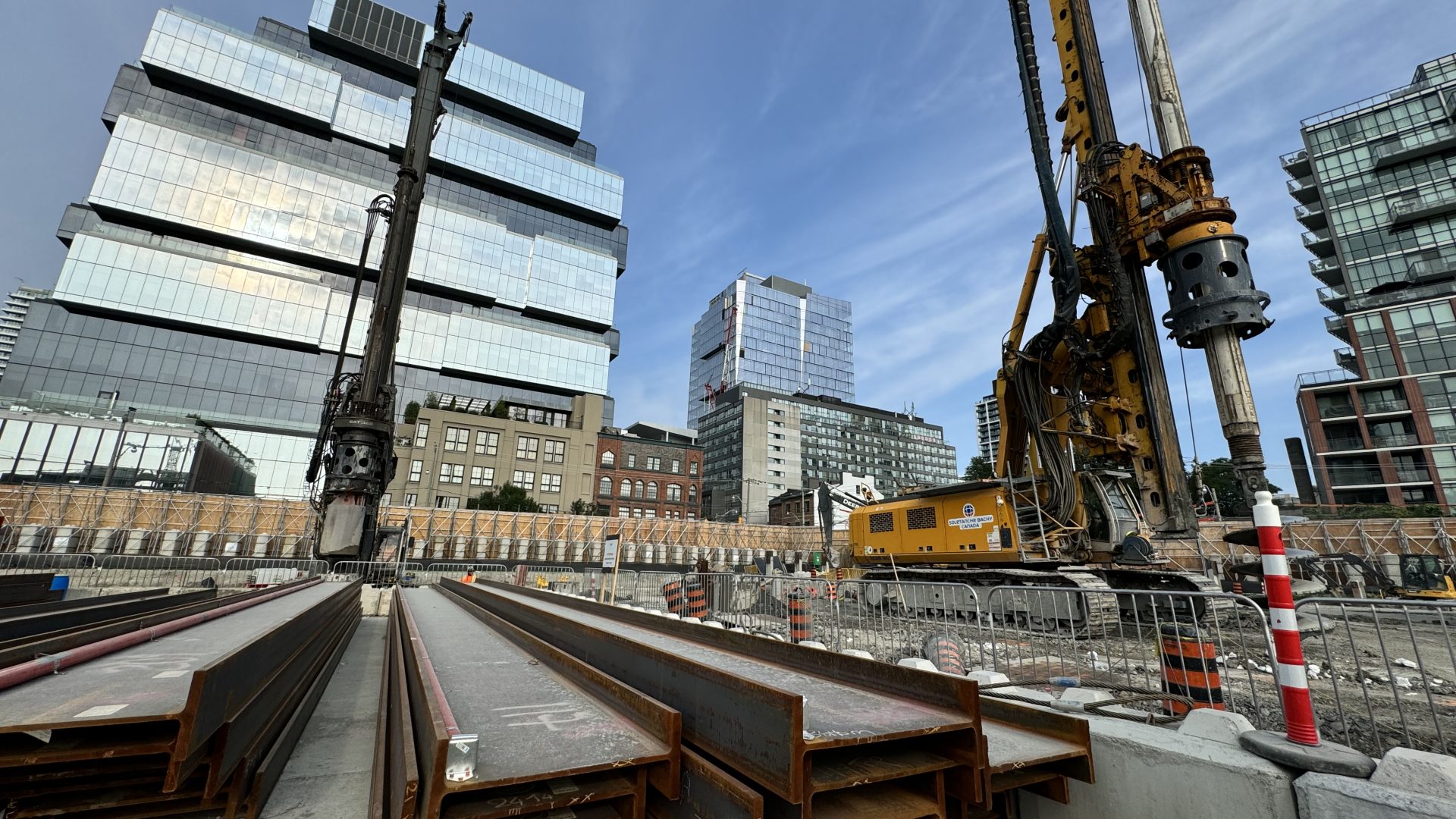
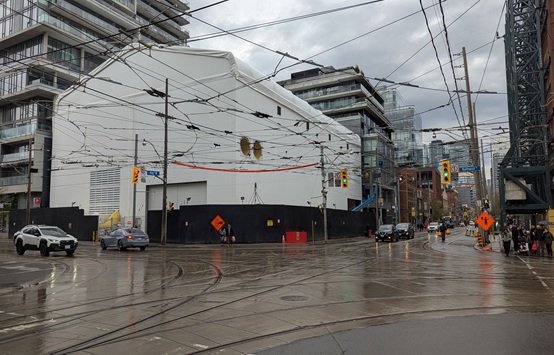
Through a joint venture, Ferrovial Construction and VINCI Construction Grands Projets, are delivering the Ontario Line Southern Civil, Stations and Tunnel work for Metrolinx and Infrastructure Ontario as part of a design-build-finance contract. The Ontario Line South project is part of Toronto’s transformative new 15.6-kilometre rapid transit line connecting Exhibition Place to the Eglinton Crosstown LRT at Don Mills Road. The Ontario Line south section includes civil works, six kilometers of tunnel and seven new or integrated stations designed to ease congestion, improve commute times, and boost urban mobility. With innovative approaches to working in urban environments and heritage preservation integrated in design, the Ontario Line project is helping to deliver a new subway through the heart of downtown Toronto.
Benefiting the Community
The Ontario Line will provide faster, more frequent and reliable rapid transit, allowing over 227,500 people to live within a 10‑minute walk of a station. It will reduce daily commute times, relieve crowding on Line 1, and give Toronto residents access to up to 57,000 additional jobs within 45 minutes. The line is expected to reduce traffic congestion by eliminating approximately 28,000 car trips per day, lower greenhouse gas emissions, and support economic growth and job creation along the corridor, with an estimated 388,000 daily trips once completed.
Project Scope
The scope of the Ontario Line South Civil design-build-finance package includes:
- Tunnelling: Six-kilometers tunnel from Exhibition to Don Yard Portal.
- Stations: Seven total – including one above-ground (Exhibition), two underground integrated with TTC subway (Osgoode and Queen), and four new underground stations (King/Bathurst, Queen/Spadina, Moss Park, Corktown).
- Civil: Groundworks required to build the tunnels and stations; utility and conduit works to prepare for the Rolling Stock, Systems, Operations and Maintenance (RSSOM) mechanical and electrical systems; guideway structures and facilities to prepare for the track structure to be installed by the RSSOM contractor.
Designed to Innovate
The Ontario Line South project is unique due to its integration with existing transit systems, advanced tunnelling methods, and construction in highly constrained urban environments:
- Integration with two major transit systems (GO Transit and TTC subway).
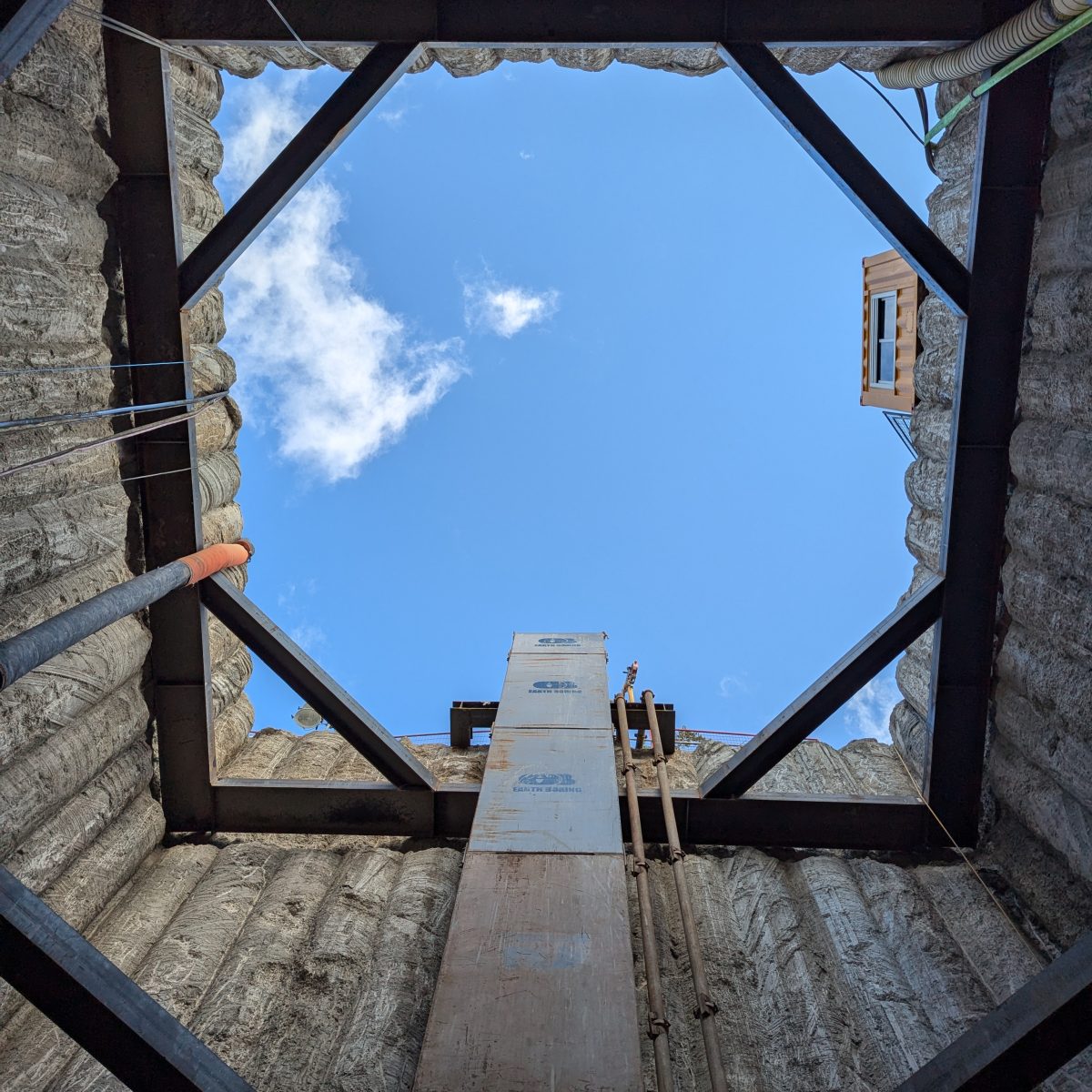
- Use of advanced tunnelling technologies including TBMs and roadheaders to complete excavation in challenging downtown environments.
- Civil construction across densely populated urban areas with significant heritage and utility constraints.
Ontario Line South Project in Construction
Our Projects around the World
Discover more projects
LBJ Express, TX

I-77 Express Lanes, NC
Renovation of the “Frontón Beti…
North Tarrant Express, TX

66 Express Outside the Beltway, VA

407 ETR
Structural Validation of Transmission Towers
Region of Coquimbo | Chile
-
2023-2024
Project date
-
Savings of
80.23tin CO2 emissions
-
Savings of
35tof steel in prototypes
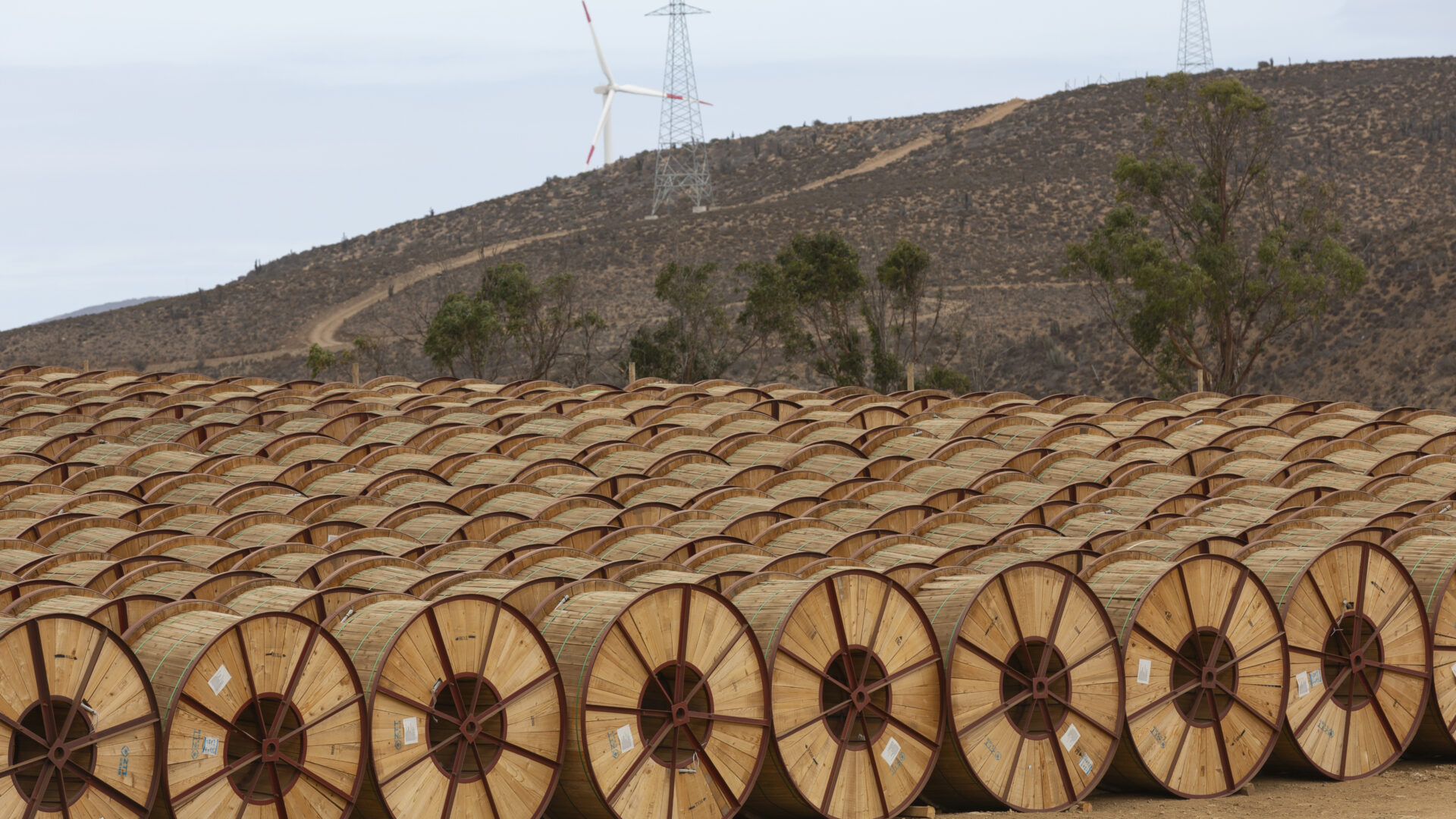
A benchmark in energy and sustainability, Ferrovial Construction’s Lead Technical Team has been working on numerous research projects on the behavior and optimization of electrical transmission towers in recent years.
Specifically, the Centella power line project in central-western Chile led the team to develop a new methodology to structurally validate the towers, in order to minimize the cost of full-scale testing and generate confidence and trust in the towers installed.
This new methodology was developed, tested, and documented in parallel with the project’s conventional static tests. This aimed to determine the validity of the methodology, obtain an objective view of savings, and enable the system to be implemented on any power transmission line in any geographical location.
Structural validation of high-voltage towers through dynamic testing and advanced virtual modeling
The methodology enabled the validation of installed towers through simple dynamic testing, correlating responses with the results previously obtained through virtual modelling. In Chile and other countries to date, the usual practice consists of performing static tests on tower testing stations, installing full-scale towers and stress-testing cables until failure point.
All of these actions, procedures and conclusions—both for the generation of virtual models and field operations—have been recorded, representing a body of methodology data for implementation on future power line infrastructure projects, both for new constructions (the goal of this particular innovation) and the structural validation of existing power lines.
Summary of works
A working group is set up with internal personnel from Ferrovial Technical Directorate’s Civil Works Department to address the project’s technological objectives following the conceptual design of the method. Centella is charged with significant works on research and validations, while external collaborators specializing in dynamic calculations and sensorics join the project: the Mechanical Structures Group at the University of Coruña and Metri Consulting, respectively.
The tasks are subdivided into the following milestones:
- Developing advanced virtual models.
- Designing and executing the testing plan.
- Calibrating computational models, obtaining correlation parameters, and validating results.
- Developing the methodology for future replication.
Developing advanced virtual models
Initial works focus on the development of virtual models in SAP2000 and Abacus, which should be an image of the test plan towers for two reasons: to enable the validation of the same, drawing on data extracted from conventional testing, and generating correlation parameters for the new testing methodology.
This led to the incorporation of 3D-modelled joints and the analysis of various effects such as prestressed bolts, friction contact, non-linear materials, and geometric non-linearity, assessing the impact on the structure’s natural frequencies and vibration modes.
Designing and executing the testing plan
The testing plan was initially forecast to be performed entirely on the full-scale towers installed at the Romanian test station (Bucharest). However, given that the static testing coincided with COVID travel restrictions, the decision was taken to maintain the planned schedule and postpone dynamic testing, implementing tests on the actual towers installed in Chile, correlating both sets of results with the virtual models.
Throughout this process, desk work was performed on coordination and training as well as the analysis of models to assess the optimal placement for acceleration sensors, tower excitation methods and fault simulation at connections.
Lastly, dynamic tests were carried out on two of the towers, sequentially applying a single load at different points of the towers and examining the vibrations occurring in the structures under the impact of said load. These vibrations were collected via accelerometers located at 8 points of the tower (at different heights), with the acceleration data subsequently being collected by a receiver.
Calibration, correlation parameters, and the validation of results
Using data gathered via dynamic testing, the team proceeded to a final calibration of the models, also obtaining correlation and validation parameters. Overall vibration modes, damping, the influence of foundations on natural frequencies, and the influence of bolt slip were identified, along with an analysis of frequency alteration caused by faults in profiles or loose connections.
Developing the methodology for future replication
The results obtained in field tests, contrasted against numerical models, generated a final document outlining the conclusions and methodology of application, including recommendations and procedures for the future replication of these dynamic tests. The goal is to validate transmission towers in the field without the need to construct full-scale prototypes and test them to collapse or failure load.
To conclude, we successfully developed a new method of structurally validating transmission towers in their final locations, using low-load dynamic testing correlated with advanced virtual modelling. This new methodology represents a disruptive shift in industry practice.
To promote this significant industry shift, we have begun to disseminate the procedures and conclusions at various conferences and seminars, the first being the Seville Structural Dynamics Conference in September 2024.
Our Projects Around the World
Learn about them
407 ETR
New Terminal One, JFK International A…
LBJ Express
Guggenheim Museum
North Tarrant Express
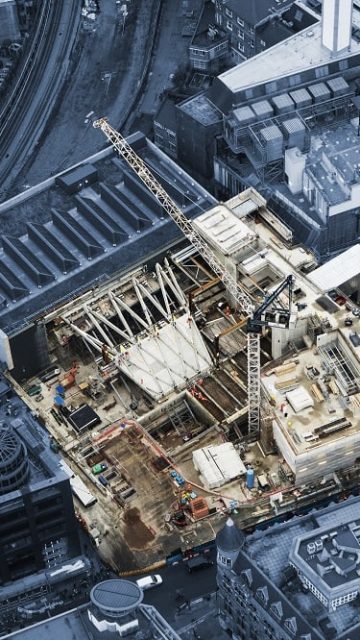
Farringdon Station
This content is password protected. To view it please enter your password below:
April’s Fair Portico in Seville
Seville (Spain)
-
Since
1968building the Portico
-
Professionals
41in the assembly
-
Parts
4.000connected
-
Tons
20Tof roof weight
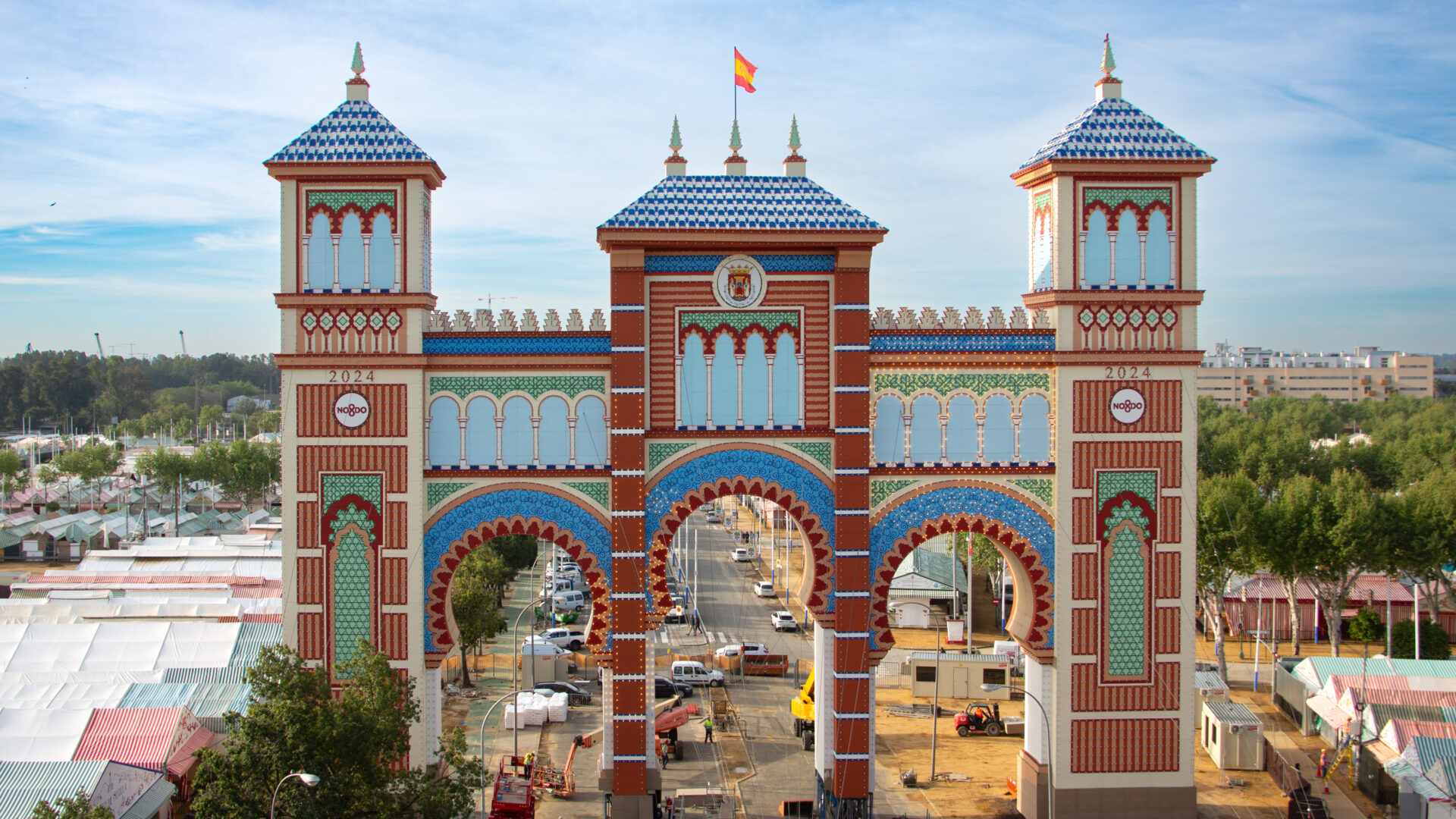
Every spring, the Seville April Fair is inaugurated with the turning on of the façade lights. This structure, with a metal base and a design that changes annually, is the gateway to this emblematic celebration and a symbol of one of the most important weeks of the year for the Andalusian city. Ferrovial is one of the companies that contributes to making one of Spain’s best-known and best-loved festivals a reality.
In 1896, the engineer Dionisio Pérez Tobías designed a metallic structure that was installed at the intersection of the Real de la Feria and soon became a symbol as the entrance to the Seville Fair. Decades later, the structure was dismantled, but popular desire and what had by then become tradition led to the installation of temporary entrance gates in each subsequent edition of the fair.
From 1968 to the present day, these entrance gates have been built by Ferrovial Agroman and, subsequently, by Ferrovial Construcción. Today, the entrances measure some 45 meters high and 50 meters long and are made up of a complex network of more than 4,000 pieces of different materials.
Entrance gates over the years
2008
2009
2010
2011
2012
2013
2014
Throughout the shared history of the April Fair and Ferrovial, the entrance gates have taken on several different personalities. Every year, the City Council of Seville organizes a contest to choose the design for the following spring. This contest often has a specific theme and seeks to reflect the character of an emblematic building or recall a historical event. This has given rise to memorable gates such as that of 2010, which celebrated the centenary of the first flight over Seville, or that of 1993, inspired by the old Pedro Roldán warehouses in the city.
At other times, the theme is open. In these cases, the designs tend to maintain the spirit that always accompanies the fair: bright and cheerful colors to represent the flowers that bloom anew with the arrival of spring.
This is how the April’s Fair Portico is built today:
- The construction of the entrance gate starts in early December. Over the course of two months, a large three-dimensional tubular structure is erected, made up of metal parts assembled together. The key to this construction lies in the tube coupler, a part weighing just one kilogram and with a sliding resistance capacity of 1,000 kilograms. Thousands of linear meters of pipe, tens of thousands of bolts, and several tensioning cables are also involved.
- In early February, the roofs, which have a total weight of about 20 tons, are hoisted. Occasionally, this phase has added complications: in 2010, for example, the structure featured a replica of the Bleriot XI, the first aircraft to fly over Seville. The 3,500-kilogram structure hung from the upper keystone of the central arch for the entire duration of the fair, after being hoisted by means of a very complicated maneuver.
- Once the metal structure is built, it is time to install its cladding. At Ferrovial we make a 1:1 scale cut of the gateway to shape the wooden panels that are assembled with special couplers on the base structure. These panels are the stars of the gateway structure, painted by hand in harmony with each year’s design. This fits perfectly with the traditional character of the fair and seeks to maintain and dignify the craft trades.
- At the same time, a company contracted by Seville City Council installs some 25,000 LED bulbs in the panels. Its lighting kicks off the week of the fair and also marks the start of the countdown to choose the design of the following year’s gateway.
Ferrovial’s added value
The gateways and booths that brightened up the fairs of the first half of the 20th century were based on wood. However, a fire in 1964 destroyed more than a hundred booths, claimed the life of one worker and left many injured. From that moment on, the Seville City Council decided that the structures would be based on metal.
With this decision, Ferrovial Agroman’s history at the April Fair begins. The company was responsible for the design and assembly of these first metal structures and, in the same decade, patented a T-shaped part to make the connections between the tubes. Today, this part has been replaced by another tube coupler that is very common in scaffolding systems.
In recent decades, Ferrovial has left its mark at the fair. It has increased safety in the construction with the incorporation of safety nets and trays around the perimeter of the structure. The viability of integrating a fire protection mechanism in the gate facade itself is also currently being studied.
Every year, the Seville Fair welcomes millions of visitors. In 2023, more than two million people passed through the entrance gate to access the fairgrounds and welcome spring with a week of celebration that also bears the mark of Ferrovial.
Projects in Spain
SEE MORE
Renovation of the “Frontón Beti…

Drainage Cells for Eco Management in …
Guggenheim Museum
Plaza Mayor of Madrid
Coffs Harbour Bypass
Coffs Harbour, New South Wales. Australia
-
AUD$1.5b
Contract Value
-
2022
Project award date
-
2027
Project completion
Ferrovial Construction Australia, in consortium with Gamuda Australia, was awarded the contract to design and construct the Coffs Harbour Bypass in New South Wales, Australia.
What is the Coffs Harbour Bypass project?
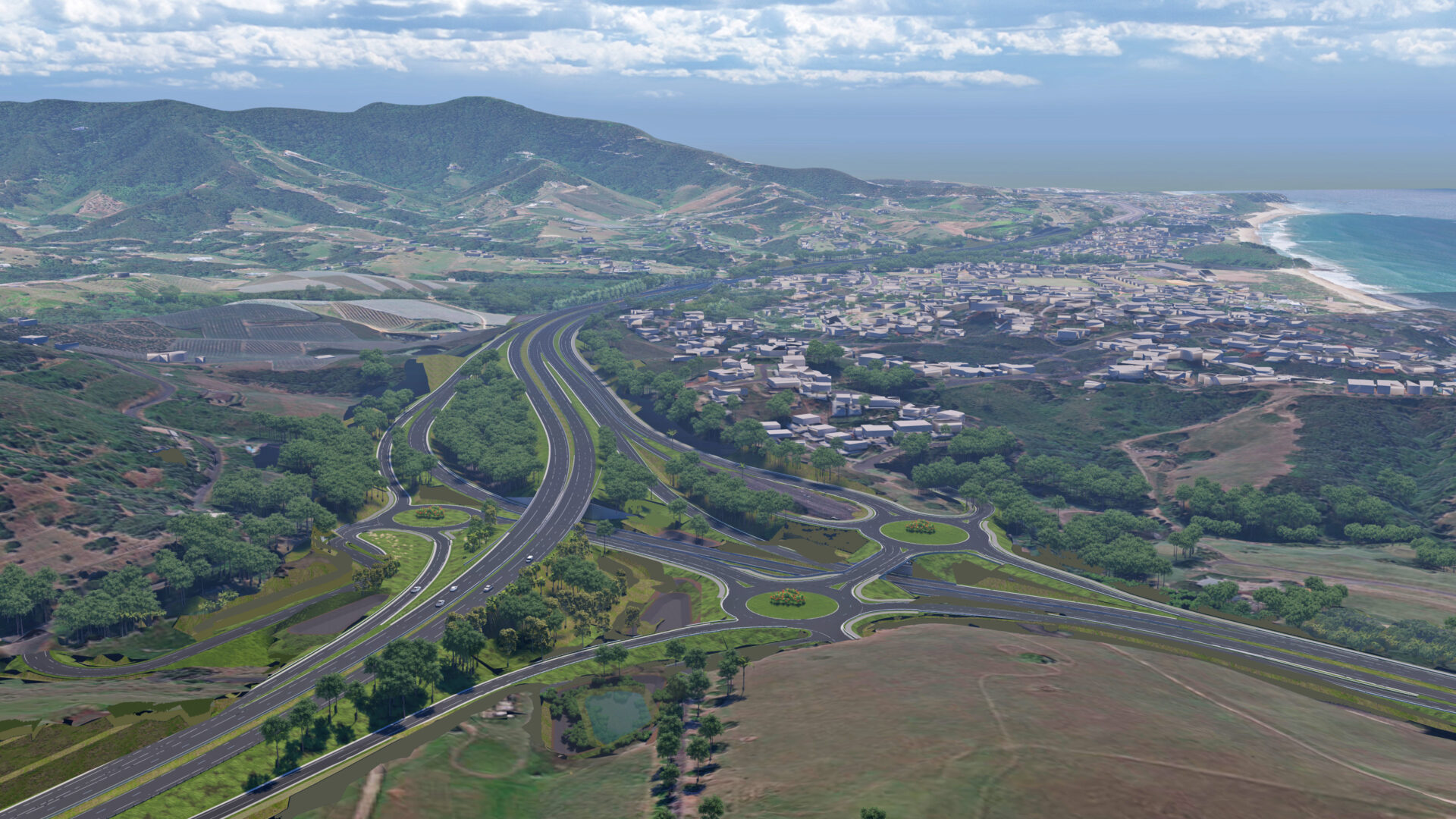
The contract, funded by the Australian and NSW governments, covers the design and construction of a 14-kilometre four-lane highway that diverts traffic away from the Coffs Harbour city centre, easing congestion and improving urban mobility.
What benefits will the bypass bring?
Once completed, the new route will:
- Save drivers up to 12 minutes per trip.
- Remove 12 traffic lights from the main town route.
- Divert about 12,000 vehicles per day from local roads.
- Enhance road safety and freight efficiency for regional and interstate users.
Beyond the numbers, the bypass will help boost the local economy and support the long-term growth of the Coffs Harbour region.
What are the main features of the project?
The Coffs Harbour Bypass will include:
- 14 km of new and upgraded four-lane divided highway.
- Three tunnels at Roberts Hill, Shephards Lane and Gatelys Road.
- Three grade-separated interchanges at Englands Road, Coramba Road and Korora Hill.
- A new bus interchange and pedestrian footbridge serving Kororo Public School.
- Upgrade of the existing Pacific Highway between Korora Hill and the dual carriageway at Sapphire Beach
- Local access and service roads to maintain connectivity for residents and businesses.
Why is this project important for Australia’s transport network?
The Coffs Harbour Bypass completes the final stage of the M1 Pacific Highway upgrade between Hexham and the Queensland border, forming a continuous four-lane link between Melbourne, Sydney and Brisbane.
It’s one of the most significant investments ever made in the Coffs Harbour región, it represents a national priority for improving transport safety and economic productivity.
When will it be completed?
The bypass is expected to open to traffic in late 2026 and reach full completion by the end of 2027.
Related projects
See more projects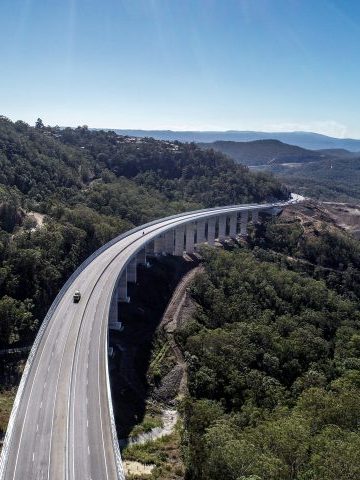
Toowoomba Bypass
LBJ Express, TX

North Tarrant Express 35W Highway
66 Express Outside the Beltway, VA
407 ETR
North Tarrant Express, TX

M4-M6 Toll Road
Sydney Metro West
Sydney, New South Wales. Australia
-
AUD$1.96b
Contract Value
-
2021
Project award date
-
2025
Project completion
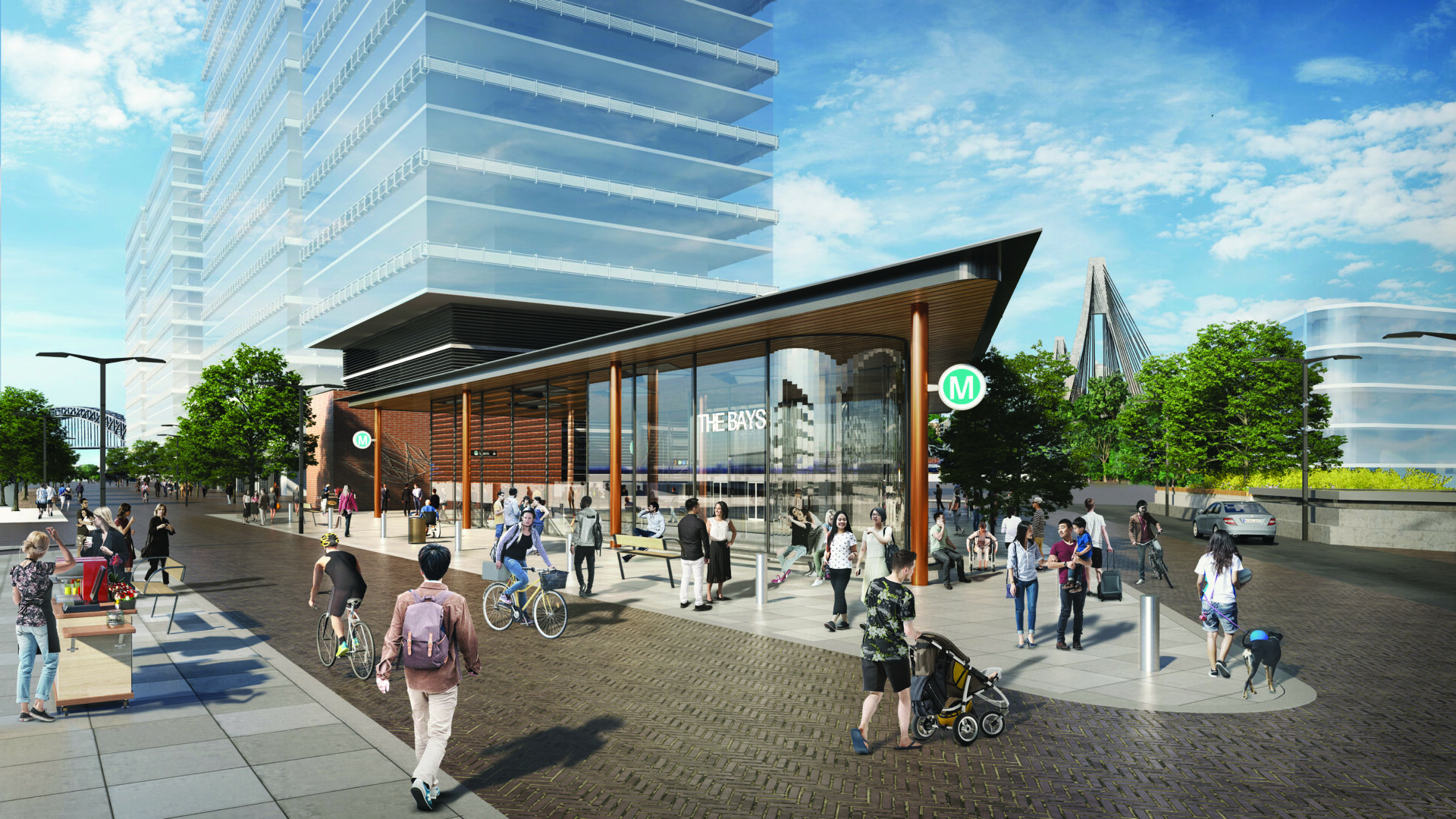
Ferrovial Construction Australia was awarded the contract to design and construct the central section of Sydney Metro West in New South Wales, Australia. The project, being undertaken in consortium with Acciona Australia, is worth AUD$1.96 billion and is one of the largest projects in the state.
The contract includes the delivery of twin 11-kilometre tunnels to connect The Bays Sation with Sydney Olympic Park Station as well as the excavation and civil works for five new stations at Sydney Olympic Park, North Strathfield, Burwood North, Five Dock and The Bays.
This Central Tunnelling Package forms part of Sydney Metro West, a new 24-kilometre line that will connect Greater Parramatta with Sydney’s central business district, transforming the city for future generations. It will connect new communities with railway services and boost employment and housing supply.
In 2024, Sydney will have 31 metro stations and more than 66 kilometres of new metro rail, revolutionising the way Australia’s biggest city travels. By the end of the decade, the network will be expanded to include 46 stations and more than 113 kilometres of world-class metro for Sydney.
Key Features
- Twin 11-kilometre metro railway tunnels from The Bays to Sydney Olympic Park
- Excavation and civil works for five new stations at The Bays, Five Dock, Burwood North, North Strathfield and Sydney Olympic Park
- Two double-shield, hard rock TBMs
- A crossover cavern at Burwood North and one of the two precast facilities at Eastern Creek
- More than 70,000 concrete segments to line the twin tunnels
- Two access shafts at Burwood North and The Bays
- A TBM launch site at The Bays Station and a TBM retrieval site at Sydney Olympic Park Station
Related projects
See more projects
Santiago de Chile Metro’s Line 6
Pomeranian Metropolitan Railway
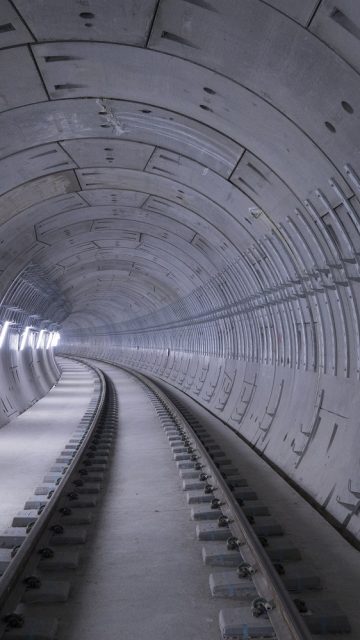
Northern Line Extension (NLE)

High Speed 2 (HS2). Enabling Works….
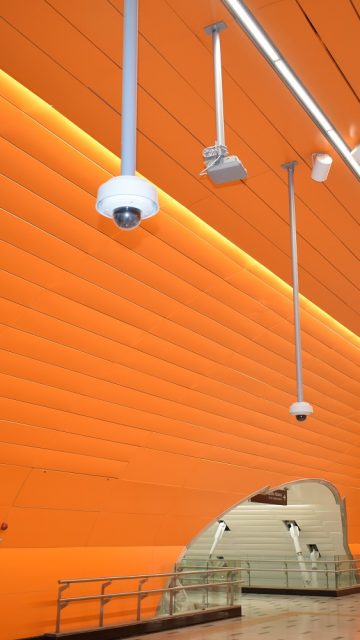
Santiago de Chile Metro
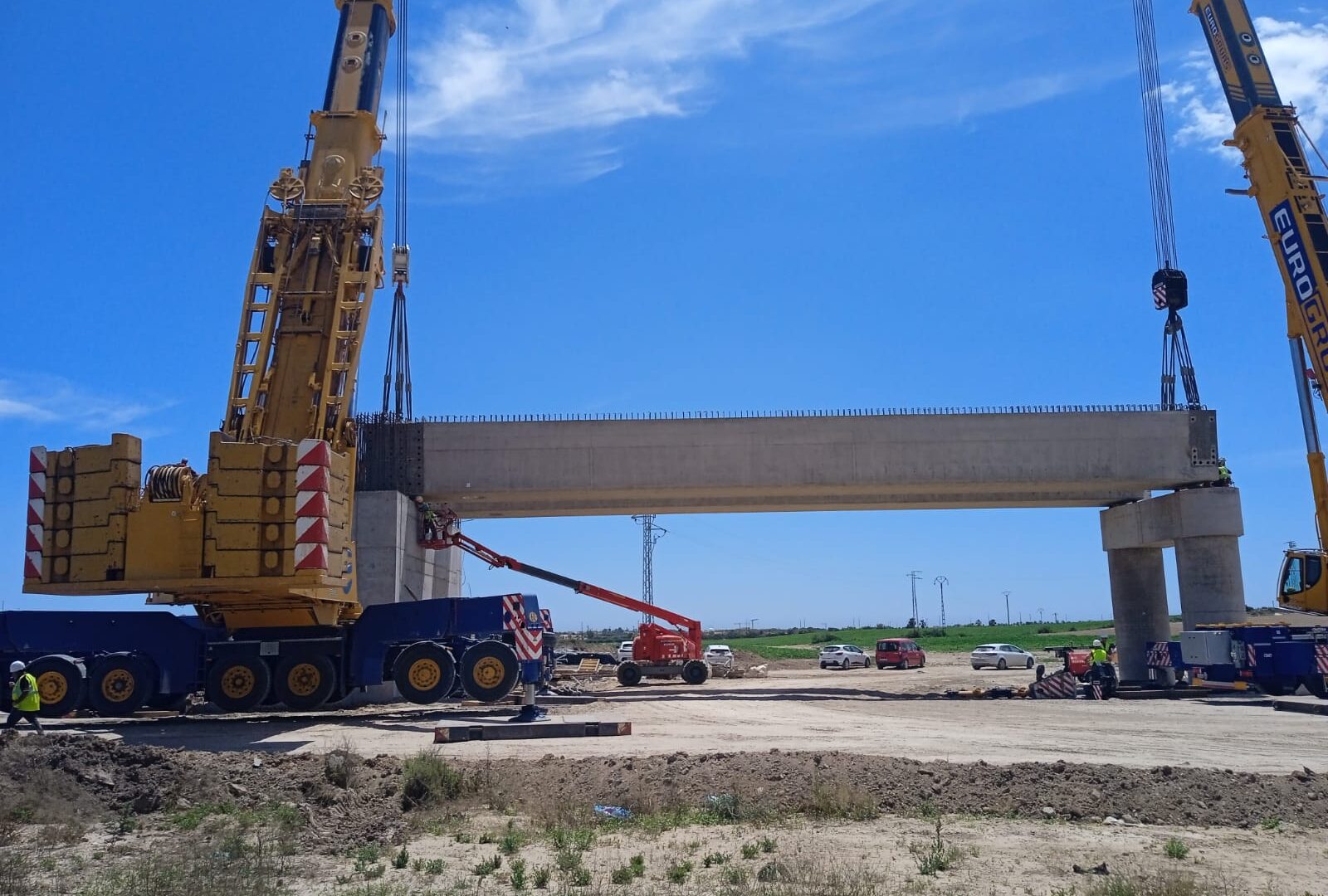
High-speed section between Murcia and Almería
Almería – Murcia, Spain
-
31,3km
length
-
€171M
investment
Construction of the platform in the high-speed section between the town of Lorca in Murcia and the town of Pulpí in Almería (Spain) for €171 million. The contract, which will be carried out in consortium, comprises a 31.3-kilometer segment on the Murcia-Almería line, which is part of the Mediterranean Corridor.
The project consists of the execution of the double track platform on the High-Speed Line (between the towns of Pulpí (Almería) and Lorca (Murcia) and includes remodeling the Pulpí and Puerto Lumbreras stations, as well as a new station in Almendricos. The work starts in the municipality of Lorca and uses part of the route of the existing Lorca-Aguilas railway line, which has a single Iberian gauge track without electrification; this will be over about 18.6 kilometers, and 20 kilometers of the current track route will have to be dismantled.
Notable among the works to be carried out are the construction of the Rincón tunnel, the execution of 10 viaducts and bridges of different kinds measuring a total length of 1,250 meters, and the creation of another 28 structures. Execution of the works is expected to take 34 months.
About the High-Speed Mediterranean Corridor
The Almería – Murcia Line, which is part of the High-Speed Mediterranean Corridor, will connect the city of Almería with that Corridor, as well as with the Madrid-Castilla La Mancha-Valencian Community-Region of Murcia High-Speed Line. This will boost Almería’s railway ties to Murcia, Levante, Catalonia, Castilla la Mancha, and the heart of the peninsula, integrating it into the whole of the European railway networks and reducing travel times. In addition, it will improve commuter services on the Murcia-Aguilas route.
Environmental Measures
Construction for the high-speed train that will link Murcia and Almería is carried out under the requirements of the Ministry of Transport, Mobility and Urban Agenda and Adif Alta Velocidad to protect the region’s fauna and flora. Mainly, the existing watercourses along the entire route, such as: the Rambla de Librilla, the Rambla de Algeciras, and the Jauto River.
As for animal life, the DIA includes measures to protect the Greek tortoise, an endangered species that is present along the Sierra Cabrera bypass and at other points along the route.
The development of railways in Spain
Ferrovial Construction has played a key role in developing high-speed rail in Spain by participating in the main corridors. We have, to name a few, the undergrounds works on the new railway access to Murcia and the construction of the platform on the Pulpí-Vera section in the Mediterranean Corridor; the platform on Plasencia’s Río Tiétar-Malpartida section on the Madrid– Extremadura high-speed line; the accesses to the La Sagrera station in Barcelona; the construction of an 80-kilometer section between Chilterns and Warwickshire on the high-speed line in the United Kingdom; and Package 4 of the high-speed line in California (United States).
Proyectos relacionados
Conoce nuestros proyectos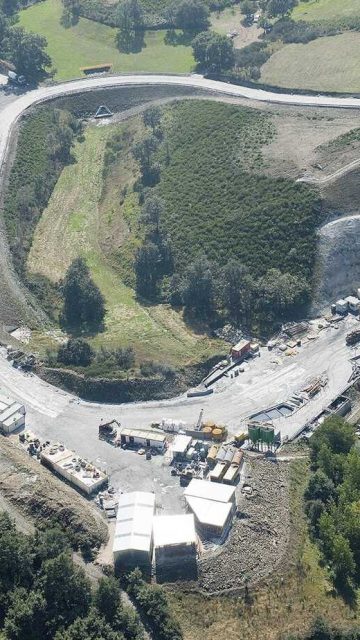
Túnel del Espiño
Celdas drenantes para la Estación de…
Túnel del Espiño
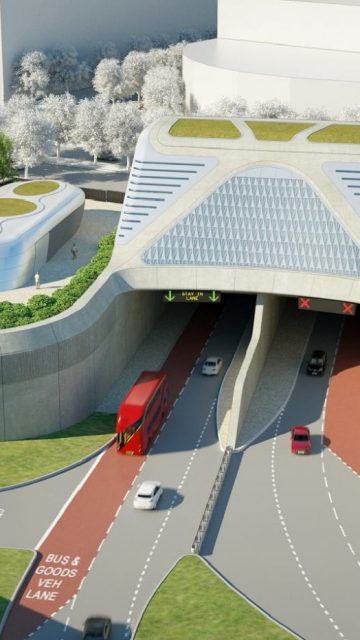
Túnel de Silvertown
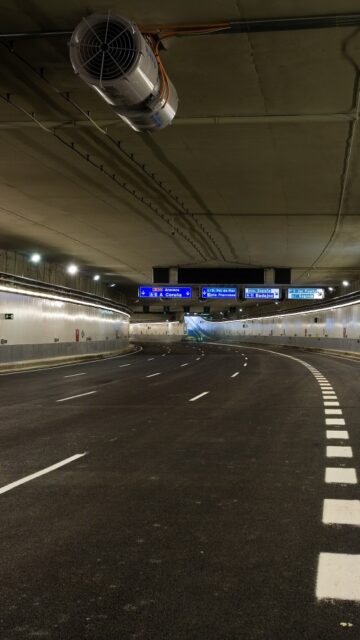
Soterramiento de la M-30
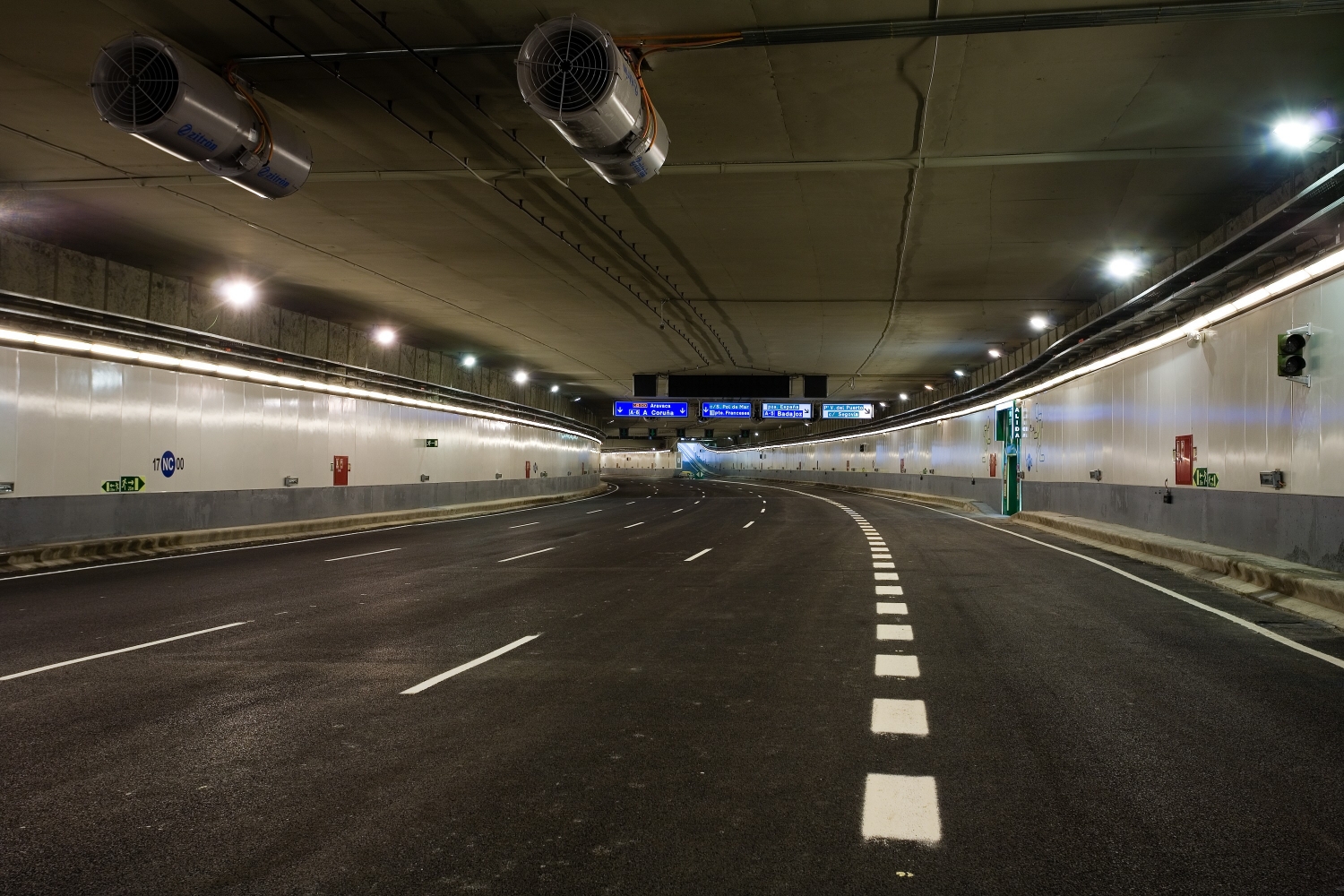
Underground works on the M-30 Road
Madrid, Spain
-
620
meters length
-
€46M
investment
The M-30 is a ring road that goes around the center of the city of Madrid; along its route, it connects with the main national highways. The project consists of taking the 620 meters of the M-30 that run under the old grandstand of the Vicente Calderón stadium underground.
What is the M-30 underground project?
The M-30 underground project is part of a series of initiatives promoted by Ferrovial and Madrid Calle 30 to improve mobility and sustainability in the center of Madrid (Spain).
It involves covering 620 meters of the highway under the former grandstand of the Vicente Calderón stadium in the Arganzuela district, integrating the tunnel route with the Madrid Río urban park.
Where are the works located and what section do they cover?
The works are being carried out on the left bank of the Manzanares River, between the Toledo and San Isidro bridges.
This was the only section of the southern arc of the M-30 that remained above ground, as it passed under the west stand of the stadium.
Its underground construction provides continuity to the underground route of Calle 30.
What are the project’s objectives?
The project aims to:
- Improve traffic safety and flow on the M-30.
- Remove the physical barrier separating the city from the Manzanares River.
- Expand the Madrid Río park with new green areas.
- Reduce the environmental and noise impact of urban traffic.
Overall, this is a project that combines mobility, urban integration, and sustainability.
How is the tunnel being built?
The project involves the construction of a 620-meter-long false tunnel, with a width of between 21 and 26 meters.
The new infrastructure will include:
- Ventilation and fire control systems,
- Intelligent traffic management,
- And a direct connection to the existing underground sections of Calle 30.
During the 20 months of construction, traffic will continue to flow in both directions thanks to a temporary detour built under the demolition site of the old stadium.
What impact will this have on Madrid Río and the urban environment?
The underground construction will allow for the expansion of Madrid Río park, creating a new green area with trees and native vegetation.
In addition, by eliminating surface traffic, the neighborhoods of Arganzuela will regain their natural connection to the river, promoting a safer, more accessible, and sustainable environment for pedestrians and cyclists.
What other similar projects has Ferrovial been involved in?
Ferrovial and Calle 30 have collaborated on other urban underground projects in Madrid, including:
- the South Bypass,
- the North Tunnel,
- and the section between the Segovia and San Isidro bridges.
These projects consolidate Ferrovial’s experience in underground infrastructure and sustainable mobility.
Related Projects
Know our projects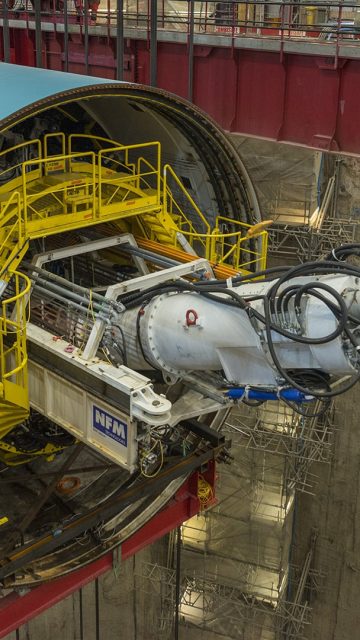
Thames Tideway Tunnel, Central Section
Pomeranian Metropolitan Railway
Santiago de Chile Metro
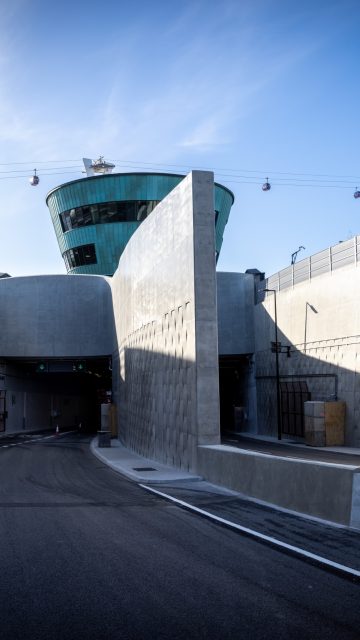
Silvertown Tunnel

DYNABIC
-
7
EU countries
-
18
Members
-
2025
End of the project
The objective of DYNABIC is to increase the resilience and business continuity capabilities of European critical services against advanced cyber-physical threats.
The DYNABIC project researches and develops means to facilitate business continuity planning and dynamic operations control. The project is based on innovation in SecDevOps best practices and results to continuously improve business disruption preparedness.
DevOps is becoming the leading systems development methodology, pursuing frequent and agile system design updates for direct deployment into production to continuously keep the system up to date during operations. SecDevOps encompasses processes and tools that integrate security considerations and testing into all phases of DevOps to build security from the ground up and decrease system exposure to any vulnerabilities or threats.
To achieve its goals, the DYNABIC project brings together a consortium of leading organizations from academia, industry, and research institutions. The project is led by TECNALIA, a renowned technology research center, and includes participants such as SINTEF and UCA. This diverse consortium ensures a multidisciplinary approach to address the complex challenges of cyber-physical threats.
Project activities are organized into several tasks, each focused on specific aspects for improving system resilience. One of the key tasks is the development of prototypes and implementations which will be available as open source on GitHub. This approach promotes collaboration and allows for the participation of a large open-source community for testing and improving the tools and methodologies developed by the project.
In addition to the technical aspects, the DYNABIC project also emphasizes communication and dissemination of its results. Task 7.2 focuses specifically on defining the project’s communication strategy which includes activities such as participation in social networks, industry events, and scientific publications. The project intends to reach a wide range of audiences, including the general public, industry professionals, and the scientific community.
To measure the progress and impact of outreach efforts, the project has defined Key Performance Indicators (KPIs). These KPIs include targets such as annual website visits, duration of visits, and monthly downloads of project materials. The project team will be able to assess the efficacy of its communication strategy and make the necessary adjustments to achieve the desired results by monitoring these KPIs.
Nuestros proyectos alrededor del mundo
Conoce nuestros proyectos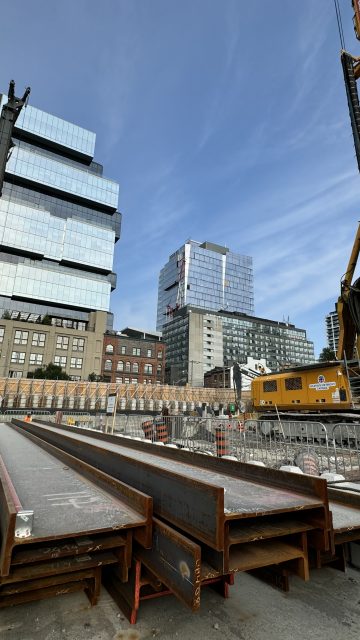
Ontario Line South
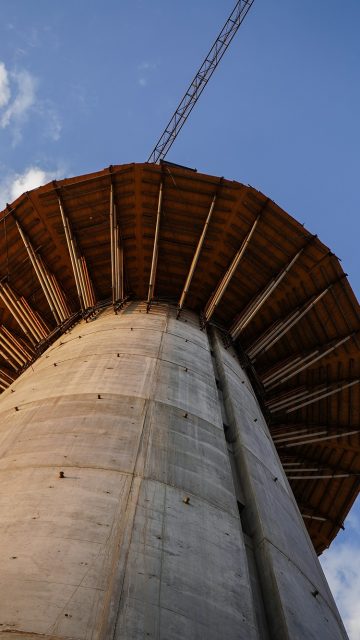
Jorge Chávez Airport, Peru
Thames Tideway Tunnel, Central Section
Solar photovoltaic plant “El Berrocal Solar PV”
Seville, Spain
-
92760
photovoltaic modules
-
94.2ha
total occupied surface
-
104.2GWh/year
electric energy
-
16672t
CO2 prevented / year
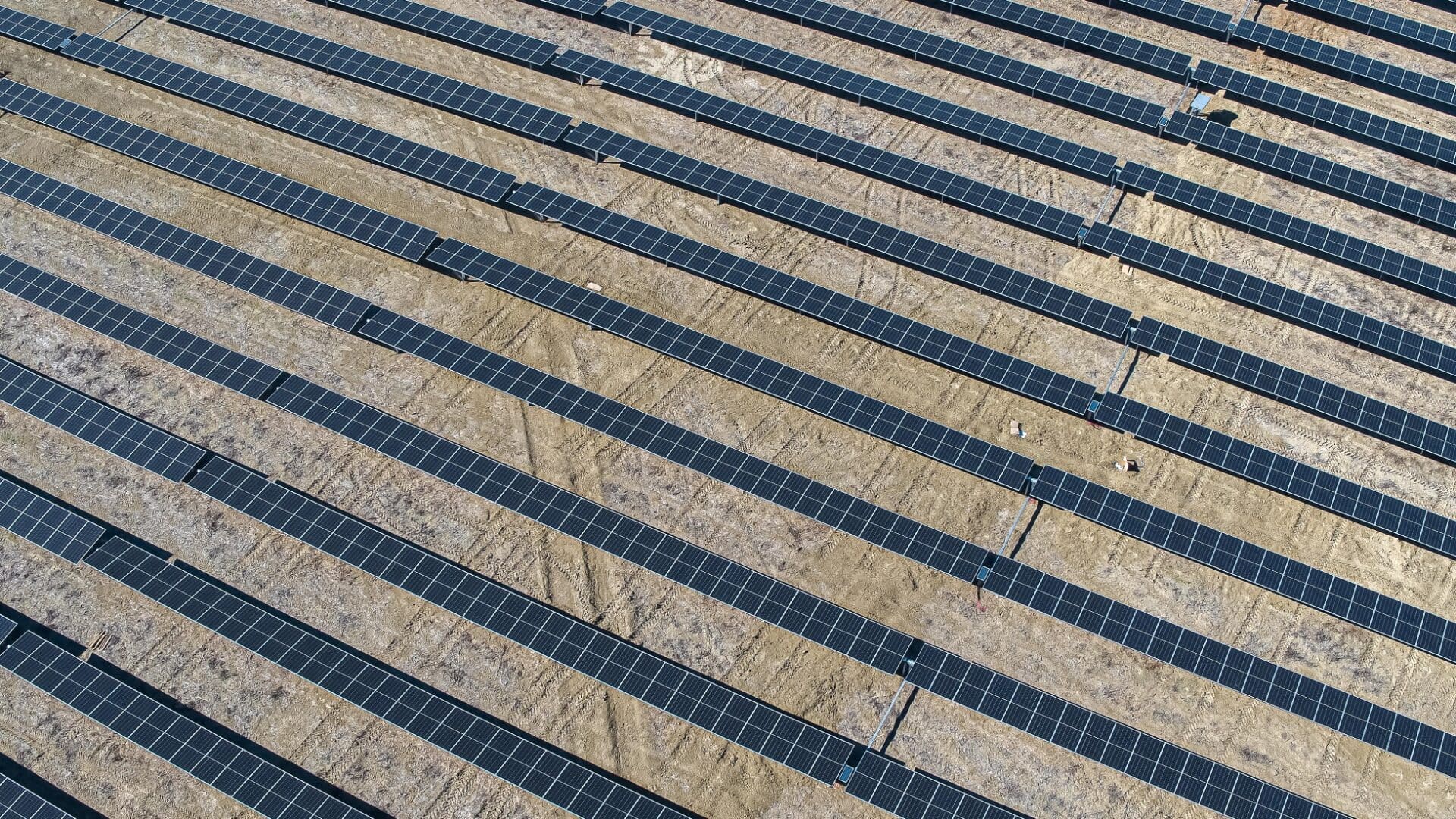
The solar photovoltaic plant “El Berrocal Solar PV” is located in the municipality of Gerena (Seville), and it has a peak capacity of 49.9 MW. It has an estimated annual production of 104.2 GWh, which is equal to the approximate annual consumption of 29,800 homes. This prevents the emission of 16,672 tons of CO2 into the atmosphere.
Where is the El Berrocal Solar PV photovoltaic plant located and how large is it?
The El Berrocal Solar PV photovoltaic plant is a project developed by Ferrovial Energía in the province of Seville (Andalusia, Spain), located between the towns of Gerena and Aznalcóllar, about 2 kilometers west of Gerena.
The project covers a total area of 94.2 hectares, of which 36% is covered by photovoltaic modules and trackers.
It is located in an area with good solar resources. Its estimated annual production is 104.2 GWh, which is equivalent to the electricity consumption of around 29,800 homes and avoids the emission of 16,672 tons of CO2 into the atmosphere each year.
This facility is part of Ferrovial’s commitment to energy transition and decarbonization in Spain.
How does a photovoltaic plant work?
Photovoltaic solar plants convert solar radiation into electricity using crystalline silicon photovoltaic modules, such as those used at El Berrocal Solar PV.
These modules are connected in series to generate direct current, which is then converted into alternating current by photovoltaic inverters.
Finally, transformers raise the voltage to the required value (132kV) for connection to the electricity grid.
Main elements of the El Berrocal Solar PV plant:
- Photovoltaic modules (92,760 monocrystalline bifacial units)
- Solar trackers (895 single-axis bifilar)
- String inverters (196 units)
- Transformer stations (TS)
- Electrical system and protections
- 30/132 kV step-up substation
- Weather stations
Energy evacuation
The energy generated is evacuated to the electricity distribution grid via 30 kV underground lines to the step-up substation, connected to the Aznalcóllar-Guillena overhead line (132 kV).
The switching substation has a 1.4 km overhead line, which integrates the plant into the Andalusian high-voltage grid.
